
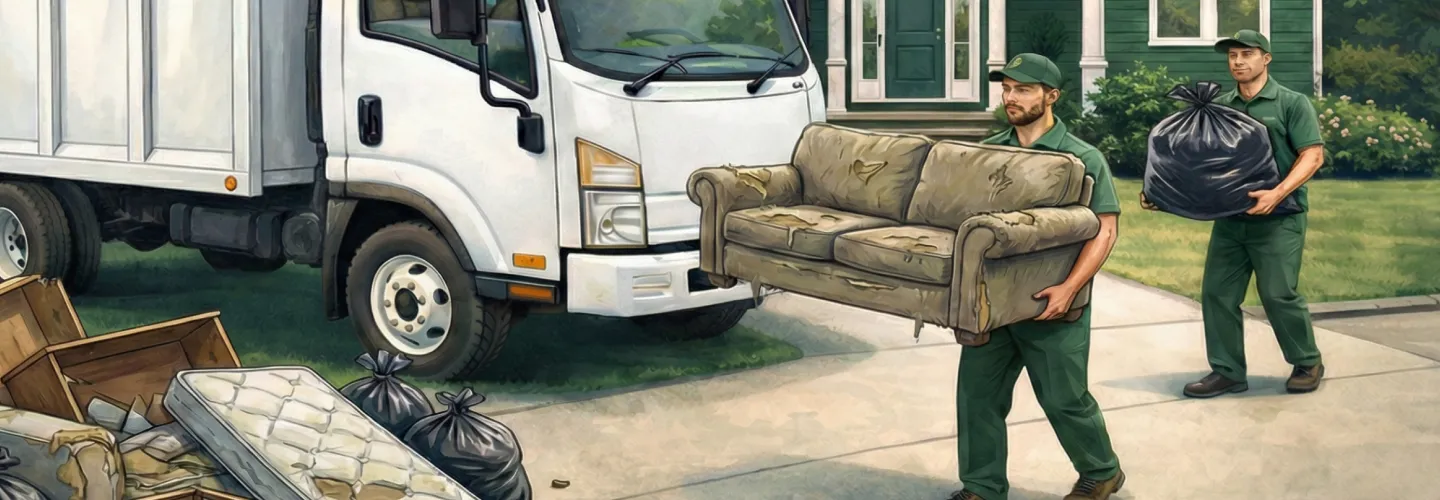
Woburn Shed Removal Services
Choose our shed removal service for safe, efficient, and eco-friendly disposal—saving you time, effort, and giving you back valuable space in your yard.
Get a Free QuoteOur Woburn Junk Removal Services
Shed Removal in Woburn, MA – Local Service Guide
Shed removal in Woburn, MA is a common need for homeowners updating their properties, especially after harsh winters or during major yard renovations. In neighborhoods like Horn Pond and North Woburn, residents often seek shed removal when replacing old storage units, preparing for landscaping projects, or following storm damage. The process typically involves assessing the shed’s size and condition, securing access for removal crews, and considering local weather patterns that may affect scheduling. Woburn’s regulations may require permits for larger structures, and responsible disposal is key—many sheds can be recycled or parts donated, while others must be disposed of at approved facilities. Local professionals are familiar with the logistics of navigating tight driveways and variable yard conditions, ensuring a smooth and compliant removal process. For more on local rules and resources, visit the City of Woburn’s official website.
Key Considerations for Shed Removal in Woburn
- Timing: Plan around spring cleanouts or post-storm repairs
- Permits: Check city requirements for structure removal
- Disposal Channels: Options include recycling, donation, or landfill
- Access: Ensure clear paths for crews and equipment
- Volume: Larger sheds may require special handling or multiple trips
- Coordination: Schedule with local haulers familiar with Woburn neighborhoods
Benefits of Shed Removal in Woburn
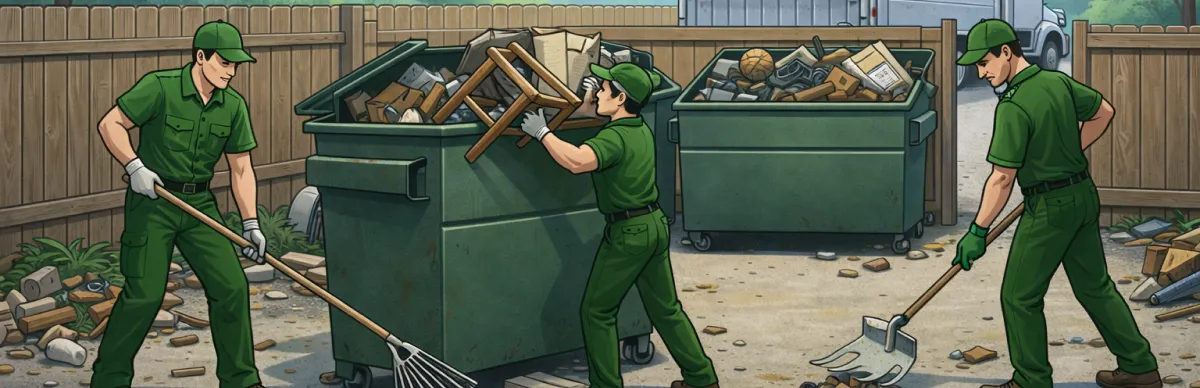
Fast Shed Removal Service
Eco-Friendly Disposal
Licensed and Insured Team
No Hidden Fees
Flexible Scheduling Options
Safe and Clean Worksite
Coordinating Shed Removal with Woburn’s Public Works and Disposal Rules
Shed removal in Woburn should be approached as a demolition-style cleanup, not as an ordinary curbside trash setout. Once a shed is taken apart, the project usually creates a mix of lumber, roofing pieces, hardware, shelving, old paint, yard debris, and sometimes lighting or other electrical components. Woburn’s regular trash program is not designed for that kind of mixed debris: the city keeps construction debris such as doors, windows, sheetrock, and 2x4s out of normal household collection, and household hazardous waste does not belong in the trash either. If the property also uses Woburn’s curbside system for everyday materials, ordinary trash, recycling, and yard waste must still be set out by 7:00 AM, with recycling contained in the proper cart and yard waste handled separately.
- Treat shed tear-down debris separately from normal household trash
- Do not mix construction materials into routine curbside collection
- Keep hazardous products out of the debris pile
- Separate any ordinary yard waste from demolition material
- Use the standard curbside system only for approved day-to-day household waste
Department of Public Works
50 North Warren Street, Woburn, MA 01801
Phone: (781) 897-5800
Official Website: Department of Public Works
Woburn’s Environmental Compliance Standards for Shed Demolition and Waste Disposal
A shed project can easily cross into regulated disposal territory if the structure contains old paint, stains, chemicals, electrical fixtures, batteries, or other restricted materials. Woburn already separates hazardous waste from ordinary trash, including liquid paint, paint thinners, pool chemicals, wood stains, and varnishes, and Massachusetts waste rules also keep many specialty items out of regular disposal streams. That makes sorting one of the most important parts of the job: recyclable metal should stay separate, ordinary yard debris should be handled on its own, and anything potentially hazardous should never be tossed in with broken lumber and general teardown waste. Broader disposal policy for restricted materials is overseen through the Massachusetts Department of Environmental Protection.
- Separate metal, yard debris, and general teardown material instead of mixing everything together
- Keep paint, solvents, chemicals, and similar materials out of the waste pile
- Remove electrical or specialty items for the proper disposal channel
- Avoid contamination that can complicate hauling or disposal
- Use compliant disposal paths for restricted materials
Massachusetts Department of Environmental Protection
One Winter Street, Boston, MA 02108
Phone: (617) 292-5500
Official Website: Massachusetts Department of Environmental Protection
Permit and Code Enforcement Requirements for Shed Removal Projects in Woburn
Before dismantling a shed in Woburn, it is smart to confirm whether the job triggers any city review because of the structure itself, associated electrical work, a dumpster in the public way, or temporary use of the street for loading. The exact requirements can depend on the site and the scope of the project, especially when the removal is part of a larger backyard renovation or property improvement. Woburn routes permit-related matters through its CitizenServe permitting portal and through Inspectional Services, which handles building, plumbing, electrical permitting, and code enforcement.
- Check permit requirements before starting structural removal work
- Confirm whether a dumpster or truck placement affects the public way
- Separate shed demolition from any unrelated household curbside setout
- Plan ahead if the project includes electrical disconnection or broader site work
- Resolve code or access questions before demolition begins
Building Department
10 Common Street, Woburn, MA 01801
Phone: (781) 897-5840
Official Website: Building Department
Recycling and Material Recovery Options for Shed Debris in Woburn
A shed removal often produces several material streams that are better handled separately than dumped together. Metal brackets, hinges, fasteners, and similar hardware can often be recycled; clean cardboard or packaging from replacement materials can go through the regular recycling system if it fits inside the issued cart with the lid closed; and branch trimmings or leaves from the cleanup area should follow Woburn’s yard waste rules rather than being buried under demolition debris. If the project also turns up light fixtures, electronics, batteries, foam packaging, treated wood, or other awkward materials, the state’s How and Where to Recycle directory and the Beyond the Bin Search can help identify better recovery options.
- Pull recyclable metal out of the debris stream when possible
- Keep ordinary cardboard separate from shed demolition waste
- Handle branches and leaves under the yard waste program, not as construction debris
- Separate electrical items, batteries, and specialty materials before disposal
- Do not rely on regular household trash service for mixed shed demolition loads
Solid Waste & Recycling Division
50 North Warren Street, Woburn, MA 01801
Phone: (781) 897-5800
Official Website: Solid Waste & Recycling Division
What Neighborhoods Do We Serve Throughout Woburn, MA?
- North Woburn: Features a mix of older single-family homes and newer developments. Mature trees, side-yard access, and tighter backyard layouts can all influence how a shed removal is staged.
- Central Square: Dense residential and commercial mix, with limited curbside access and closer lot lines. Debris loading often works best with careful timing and compact equipment.
- West Woburn: Suburban neighborhoods with larger lots and driveways, often making access easier for trailers, dumpsters, and removal crews.
- East Woburn: Includes multi-family housing and apartment complexes. Shared driveways and tighter parking arrangements can make debris staging more complicated.
- South End: Older homes and established neighborhoods may involve narrow side passages, fencing, or landscaping that affect how a shed can be dismantled and carried out.
- Montvale: Commercial and mixed residential areas with a blend of modern and older properties. Exterior project coordination is often easier where parking and driveway space are more generous.
- Horn Pond Area: Residential pockets near natural features where site protection, debris containment, and careful cleanup matter just as much as the actual teardown itself.